Citrulline malate shows up in nearly every pre-workout on the shelf, promising bigger pumps, more reps, and less fatigue. Some of that is backed by solid research — some of it is marketing that outran the science. Here's an honest, dose-by-dose breakdown of what citrulline malate can and can't do for your training in 2026.
What Citrulline Malate Actually Is
Citrulline malate is a compound pairing the amino acid L-citrulline with malic acid, a molecule involved in cellular energy production. Once ingested, citrulline is converted in the kidneys to L-arginine, the direct precursor to nitric oxide — the signaling molecule responsible for vasodilation, or the widening of blood vessels.
This is the entire premise behind citrulline malate's popularity in pre-workout formulas: wider blood vessels theoretically mean more blood, oxygen, and nutrients delivered to working muscle. But the gap between a plausible mechanism and a measurable performance outcome is where most supplement claims fall apart. Citrulline malate is one of the rare ones that mostly holds up.
The Pump Claim: Does It Actually Increase Vasodilation?
This part is well-supported. Multiple controlled trials measuring plasma arginine and nitric oxide markers after citrulline malate ingestion show consistent increases compared to placebo, and compared to arginine supplementation alone. That's a notable detail — oral arginine is poorly absorbed and largely degraded in the gut before reaching circulation, whereas citrulline bypasses that bottleneck and raises arginine levels more reliably.
So if your primary goal is the subjective 'pump' during training, citrulline malate has a legitimate biochemical basis for delivering it. The vasodilation effect is real, dose-dependent, and reasonably fast-acting when taken as a standalone dose rather than buried in a proprietary blend.
The Performance Claim: Reps, Endurance, and Fatigue
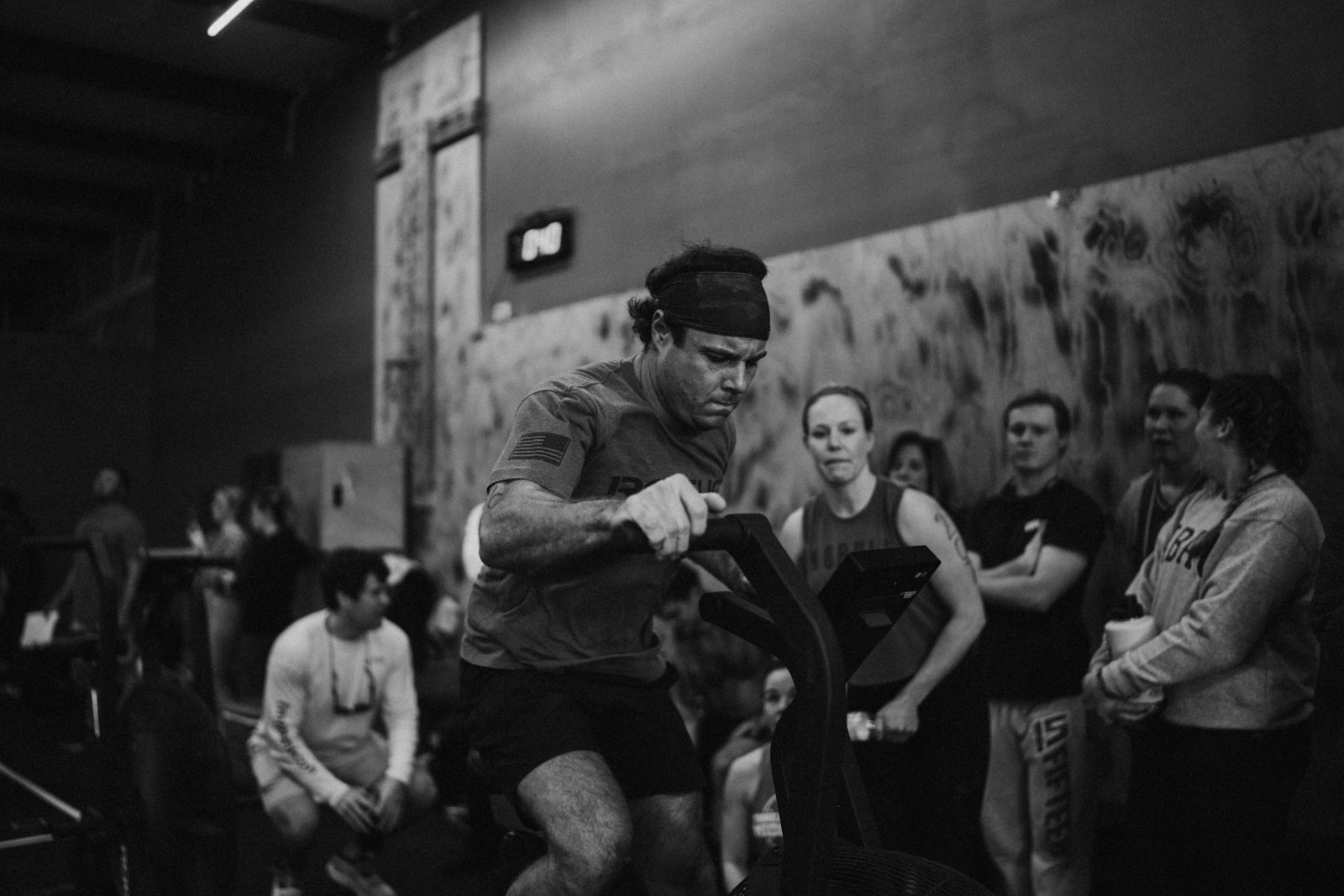
This is where the research gets more nuanced. Several studies on resistance training performance report modest but real improvements in total repetitions performed before failure — often in the range of a few extra reps per set across multiple sets, particularly in the 8-15 rep range rather than heavy low-rep lifting.
The proposed mechanism isn't just blood flow. Citrulline malate appears to support ammonia clearance and may buffer some of the metabolic byproducts of fatigue during higher-volume training. The malate component itself is a Krebs cycle intermediate, which has led researchers to investigate whether it contributes to aerobic energy production during sustained effort, though this piece of the puzzle is less conclusively proven than the nitric oxide pathway.
Endurance research shows similar modest trends — some improvement in time-to-exhaustion and perceived exertion scores, but effect sizes are inconsistent across study populations, doses, and training statuses. Trained athletes and untrained subjects don't always respond the same way, and several trials show no significant difference from placebo at all.
Where the Evidence Is Weakest
It's worth being honest about the limits here rather than overselling a supplement most lifters already own. Muscle soreness reduction is one of the more overstated claims — while some early studies reported less next-day soreness with citrulline malate, later and larger trials have failed to consistently replicate that effect.
Strength gains on maximal single-rep lifts (like a one-rep max squat or deadlift) show minimal to no benefit. This makes sense given the mechanism — vasodilation and metabolic buffering matter more across sustained sets than during a single maximal contraction. If your goal is purely 1RM strength, citrulline malate is not going to be the variable that moves the needle.
Dosing: What the Research Actually Used
Dosing matters enormously here, and it's the most common reason people feel 'nothing happened.' Many commercial pre-workouts include citrulline malate in proprietary blends at doses well below what clinical trials used to produce measurable results.
Effective research doses generally fall in the 6-8 gram range of citrulline malate (not pure citrulline — the malate portion adds bulk to that number), taken roughly 30-60 minutes before training. Doses below 3-4 grams have shown weaker or non-significant effects in several comparative trials.
| Factor | What Research Supports |
|---|---|
| Vasodilation / pump | Strong evidence — consistent increases in plasma arginine and nitric oxide markers |
| Training volume (reps to failure) | Moderate evidence — modest rep increases in higher-rep resistance training |
| Endurance / time to exhaustion | Mixed evidence — some benefit, inconsistent across populations |
| Muscle soreness reduction | Weak evidence — early positive findings not consistently replicated |
| Maximal strength (1RM) | Minimal evidence — little to no measurable benefit |
| Effective dose used in studies | 6-8g citrulline malate, ~30-60 min pre-training |
Who Is Most Likely to Notice a Difference
The lifters most likely to feel a genuine effect are those training in moderate-to-high rep ranges with short rest periods — bodybuilding-style hypertrophy work, circuit training, or metabolic conditioning sessions where fatigue accumulates across many sets. The compound's mechanisms are simply better matched to that kind of stimulus.
Powerlifters chasing a heavier top single, or anyone expecting a dramatic strength jump, are likely to be underwhelmed. It's also not a stimulant — there's no energy or focus effect, so anyone expecting a caffeine-like kick from it alone will be disappointed.
Get Clinical-Dose Citrulline Malate
Look for a standalone citrulline malate powder dosed at 6-8g per serving rather than a diluted proprietary blend — it's the difference between a research-backed dose and a marketing line on a label.
Shop on iHerb →Stacking Considerations
Citrulline malate is commonly paired with beta-alanine and creatine monohydrate in pre-workout formulas, and the combination makes logical sense — each ingredient targets a different fatigue pathway (nitric oxide signaling, intracellular buffering, and phosphocreatine resynthesis respectively). None of them compete for the same mechanism, so stacking doesn't dilute any single ingredient's effect.
If you're building your own stack rather than buying a pre-made blend, dosing each component at its individually studied amount — rather than splitting a fixed powder scoop across five ingredients — is the more reliable way to actually replicate the conditions used in the research.
Compare Pre-Workout Formulas With Transparent Dosing
Skip proprietary blends and look for labels that list exact gram amounts for citrulline malate, beta-alanine, and creatine — transparency on the label is a reasonable proxy for a brand that formulated to the research rather than to a marketing budget.
Browse on Amazon →The Realistic Verdict
Citrulline malate is one of the more evidence-backed ingredients in the sports supplement space — not because it's miraculous, but because its primary mechanism (raising arginine and nitric oxide availability) is well documented and its downstream effect on training volume has decent, if modest, support across multiple trials.
Set expectations accordingly: expect a noticeable pump, a plausible small boost in reps during higher-volume training, and little to nothing in the way of soreness relief or max-strength gains. At an adequate dose, it's a reasonable, low-risk addition to a pre-workout routine — just don't expect it to replace the fundamentals of progressive overload, recovery, and consistent training.
Build Your Own Evidence-Based Stack
Buying citrulline malate as a standalone powder lets you hit the full clinical 6-8g dose without paying for filler ingredients baked into flashy pre-workout blends.
Shop on Amazon →From across the network
More from the network on related topics: VitaminSupplyCenter · TestBoostLab · EliteRecoveryLab.